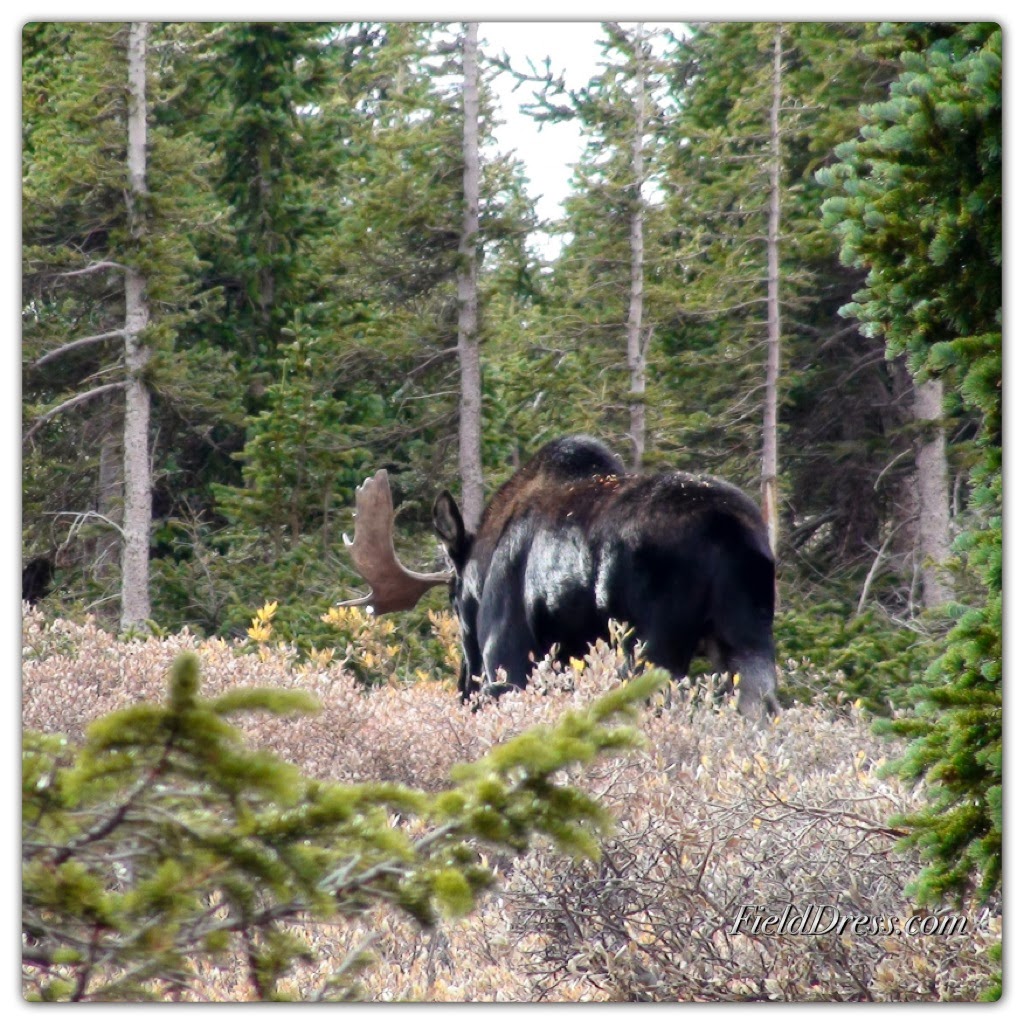
My money's on the cats...anyone have the coyotes?
Tuesday, February 25, 2014
Tuesday, February 11, 2014
See Thriving Bald Eagles in the Sooner State This Winter
With over a million surface acres of water and 11,600 miles of shoreline, Oklahoma is one of the top 10 states in the nation for winter bald eagle viewing. Anywhere from 700 to 1,500 migrating eagles can be seen in the winter in Oklahoma, particularly around lakes, such as Kaw, Texoma, Tenkiller, Ft. Gibson, Grand, Canton and Great Salt Plains.
As lakes in the northern U.S. and Midwest freeze, eagles migrate south for the winter, searching for open water and food. In addition to migrant eagles that spend winters in Oklahoma, some bald eagles live in Oklahoma year-round. More than 120 bald eagles call Oklahoma home throughout the year, increasing from no known eagles in the state prior to 1990.
Public eagle watches are fun and easy ways to see our nation's symbol and to interact with wildlife professionals, such as an Oklahoma Department of Wildlife Conservation biologist.
"These events are a great opportunity for families to catch glimpses of bald eagle before they begin their northward movement back to their breeding areas," said Melynda Hickman, wildlife diversity biologist for the Department. "Additionally, the increase in eagle pairs that live in Oklahoma year-round is a sign that eagle recovery efforts were successful."
These eagle watches are hosted by the Wildlife Department, state parks, lake management offices, national wildlife refuges and local Audobon Society chapters. Activities vary, but most eagle watch events are free. The Wildlife Department annually compiles a list of events to help Oklahomans discover where to view this majestic bird.
A full listing of public eagle watches with dates, details and contact information is available on the Wildlife Department's website at wildlifedepartment.com. This website also offers more information about bald eagles, including natural history, viewing tips and how Oklahomans can benefit bald eagles.
** Special Note: I am aware the photo isn't an eagle, however it's all I had on file...and it's a great photo!
Thursday, January 30, 2014
IFW Radio-Collar Moose Research Project Begins
This morning, the Maine Department of Inland Fisheries and Wildlife embarked on an intensive 5-year moose research project that will give department biologists an even greater understanding of the health of the Maine moose population, including such keys as adult and calf survival rates and reproductive rates.
“Maine’s moose population is healthy and strong,” said Lee Kantar, the department’s moose biologist. “This research project is an important tool in managing Maine’s moose population, and will benefit all who enjoy Maine’s moose.”
A trained crew that specializes in capturing and collaring large animals is utilizing a helicopter, cartridge-launched nets and immobilization darts to capture and collar female moose and calves in an area located in and around Jackman and Greenville (centered in Wildlife Management District 8).
The plan calls for the crew to capture and collar 30 adult female moose and 30 calves. This area of western Maine was chosen since it is within the core moose range of the state, and earlier research shows that this area already has a lower cow to calf ratio than other parts of the state. The geography and winter conditions of the area are also representative of much of Maine’s moose habitat.
“Capturing more information on female moose and their young is the key to improving our moose management,” said Kantar.
Aero Tech, Inc. specializes in this type of capture and collaring, and recently completed a similar job in New Hampshire. The crew, based out of New Mexico, consists of a team of four, with each having a specialized role in the process.
Kantar, with the assistance of the Maine Forest Service Air Operations Branch, has been scouting and marking GPS coordinates within WMD 8 already. This information will assist Aero Tech in finding moose in this area.
“The Maine Forest Service and their pilots have been extremely helpful in providing flights to locate moose, as well as assisting us with our moose population surveys over the last 4 winters,” said Kantar.
Once collared, the GPS-enabled collars will transmit twice a day, providing biologists the ability to track moose movements. The GPS collars are expected to transmit movement signals for four years. If there is no movement for a certain period of time, the collar transmits a mortality signal, and biologists will then travel by foot to investigate the cause of death.
“Once we receive a mortality signal, we will locate the dead moose within 24 hours,” said Kantar. Where possible, the entire body will be removed to conduct a necropsy in the lab in cooperation with the University of Maine-Animal Health Lab, but if this is not possible, a field necropsy will be conducted.
In May, as females prepare to give birth, movements will also be closely monitored. Once females give birth to calves, biologists will keep a close eye on the young calves.
“After birth, we will use walk-in surveys to monitor calving, as this will give us more information on behavior and mortality,” said Kantar.
This will be the first year of the monitoring study. Additional moose and calves will be captured and collared next year.
This survey is in addition to the research that is already being conducted on Maine’s moose. IFW utilizes aerial flights to assess population and the composition of the moose herd. During the moose hunting season, biologists also examine teeth, the number of ticks a moose carries, and in some cases, examine ovaries to determine reproductive rates.
This will be the second time that moose have been radio-collared in Maine. In the early 1980’s, moose were radio-collared in order to better understand the range of the moose population.
Press Release from Maine's Department of Inland Fisheries
Wednesday, January 15, 2014
As Fierce Habitat Loss Storm Rages, Pheasants Forever's Impact Grows
For the third consecutive year, Pheasants Forever spent more than $50 million on its wildlife habitat conservation and education mission. In 2013, $53.8 million mission dollars helped accomplish 13,281 wildlife habitat projects spanning 1.46 million acres – the highest annual acreage total in Pheasants Forever’s 31-year history. The year’s total pushes Pheasants Forever over the 10 million acre mark since the organization’s 1982 inception.
Long a hallmark of efficiency, Pheasants Forever, including its quail conservation division, Quail Forever, spends 91.6 cents of every dollar (up from 91.23 in 2012) it raises directly on mission work, with the remainder utilized for fundraising and administrative functions. In fact, Pheasants Forever continues to be recognized as a 4-star charity by Charity Navigator, the largest charity evaluator in the country.
However, Pheasants Forever recognizes that while the organization may be healthy, upland habitat across the country is disappearing at pace never before experienced. “Announcing these Annual Report numbers is bittersweet,” explains Howard Vincent, Pheasants Forever’s President and CEO. “I am extremely proud of our organization’s team, volunteers, and these milestones. We announce these Annual Report statistics as a way of demonstrating our organization’s credibility. What we need is more: members, landowner partners, corporate partners, donors, we need more people to join us as we compete with the pace of habitat loss.”
Nationwide: Habitat Loss and Land Management Policies and Programs Approximately 1.6 million acres were removed from the federal Conservation Reserve Program (CRP) in 2013. With limited protections, native prairie loss has also accelerated. In South Dakota, for instance, native prairie conversion outpaces even the loss of CRP habitat. Marginal cropland and even environmentally-sensitive areas continue to remain susceptible to habitat loss because of federal crop insurance and disaster relief programs that mitigate the risk of farming these areas.
Pheasants Forever’s push for a strong conservation title in a new federal Farm Bill has carried into 2014. Pheasants Forever is working for a 5-year Farm Bill with strong conservation provisions, one that includes national Sodsaver (native prairie) provisions and crop insurance linked to conservation compliance.
Wildlife Habitat Projects Pheasants Forever and Quail Forever chapter projects accounted for 465,488 acres of wildlife habitat improvement in 2013. Pheasants Forever Farm Bill Wildlife Biologists - who work with landowners to enroll in conservation programs – made 22,600 landowner contacts in 2013, resulting in 997,750 acres of wildlife habitat improvement.
Land Purchases / Permanent Wildlife Habitat Protection Because of 55 land purchases in 2013, 4,291 acres of wildlife habitat have been permanently conserved by Pheasants Forever. Twenty-eight percent of Pheasants Forever’s 2013 program expenses were directed at purchasing land, and all these properties have or will be turned over to state or federal natural resource agencies and opened to public hunting and outdoor recreation.
Youth, Education Camp; Public Awareness Pheasants Forever and Quail Forever chapters held 904 youth events in 2013, including 697 youth shooting sports events. In the last year, 48,767 youngsters participated in chapter sponsored mentored youth hunts, target shoots or other youth/conservation events – also an organizational record.
Pheasants Forever’s full Annual Report will be published in the Spring 2014 issue of the Pheasants Forever Journal of Upland Conservation.
Pheasants Forever, including its quail conservation division, Quail Forever, is the nation's largest nonprofit organization dedicated to upland habitat conservation. Pheasants Forever and Quail Forever have more than 140,000 members and 745 local chapters across the United States and Canada. Chapters are empowered to determine how 100 percent of their locally raised conservation funds are spent, the only national conservation organization that operates through this truly grassroots structure.
Rehan Nana (651) 209-4973 RNana@pheasantsforever.org
Friday, November 8, 2013
Vermont Moose Hunters Had a Successful Season
“A preliminary count shows that by November 6, the department had received official reports of 23 moose being taken by 50 hunters in the archery season, and 197 moose taken by 362 hunters in the regular season,” said Cedric Alexander, Vermont’s moose project leader. A few additional reports may still be sent in from other reporting agents.
“Vermont’s moose population is being managed scientifically, according to a plan developed on sound wildlife biology and input from the public,” said Alexander. “The overall hunter success rate was up slightly from last year, due, in part, to colder weather stimulating moose activity near the end of the season.”
“The number of ticks found on moose brought in to the Island Pond check station was higher than at any other check station. The tick data will be analyzed further and compared to results from New Hampshire and Maine.”
This was Vermont’s 21st moose hunting season in modern times, the first occurring in 1993 when 30 permits were issued and 25 moose were taken by hunters.
A final report on Vermont’s moose hunting season will be available in January when all of the 2013 data have been received and reviewed.
Thursday, November 7, 2013
Michigan conservation officers offer top 10 tips for a safe hunting experience
With Michigan's rich tradition of fall hunting getting under way, conservation officers at the Department of Natural Resources (DNR) have offered their top 10 tips for a safe outdoor experience.
"Hunting in Michigan is a time-honored activity, rich in tradition, when families and friends come together to enjoy our great outdoors," said Lt. Andrew Turner, who leads the DNR's Recreation, Safety and Enforcement Section for the Law Enforcement Division. "Making your hunt a safe and responsible experience is key to having an enjoyable and memorable time. By following these safety tips, hunters can help us all have a good season."
Turner said the top 10 safety tips for hunters to remember are:
"These simple, common sense tips can prevent hunting accidents and save lives," said Turner. "We encourage all sportsmen and women to follow these guidelines when enjoying the great outdoors in our state."
Michigan's regular deer firearm season starts Nov. 15. For more information about hunting in Michigan, visit the DNR websitewww.michigan.gov/hunting.
The Michigan Department of Natural Resources is committed to the conservation, protection, management, use and enjoyment of the state's natural and cultural resources for current and future generations. For more information, go to www.michigan.gov/dnr.
"Hunting in Michigan is a time-honored activity, rich in tradition, when families and friends come together to enjoy our great outdoors," said Lt. Andrew Turner, who leads the DNR's Recreation, Safety and Enforcement Section for the Law Enforcement Division. "Making your hunt a safe and responsible experience is key to having an enjoyable and memorable time. By following these safety tips, hunters can help us all have a good season."
Turner said the top 10 safety tips for hunters to remember are:
- Treat every firearm as if it is loaded.
- Always point the muzzle in a safe direction.
- Be certain of your target, and what's beyond it, before firing. Know the identifying features of the game you hunt. Make sure you have an adequate backstop; don't shoot at a flat, hard surface or water.
- Keep your finger outside the trigger guard and off the trigger until ready to shoot.
- Don't run, jump or climb with a loaded firearm. Unload a firearm before you climb a fence or tree, or jump a ditch. Pull a firearm toward you by the butt, not the muzzle.
- Avoid alcoholic beverages before or during hunting. Also avoid mind- or behavior-altering medicines or drugs.
- All firearm deer hunters on any land during daylight hunting hours must wear a hat, cap, vest, jacket, rainwear or other outer garment of "hunter orange" visible from all sides. All hunters, including archers, must comply during gun season.
- Camouflage hunter orange is legal, provided 50 percent of the surface area is solid hunter orange. (Exceptions: waterfowl, crow and wild turkey hunters, and bow hunters for deer during bow season).
- Always let someone know where you are hunting and when you plan on returning. This information helps conservation officers and others locate you if you get lost.
- Carry your cellphone into the woods. Remember to turn your ringer off or set your phone to vibrate rather than ring. Your cellphone emits a signal that can help rescuers locate you when you are lost. If you have a smartphone, go to the settings and enable your GPS to help searchers find you if you get lost. Make sure before you leave for the woods each day that your phone is fully charged. If you have a smartphone, download a compass and flashlight app - there are many versions of these apps that are free to download in the iPhone App Store or on Google Play for Android.
"These simple, common sense tips can prevent hunting accidents and save lives," said Turner. "We encourage all sportsmen and women to follow these guidelines when enjoying the great outdoors in our state."
Michigan's regular deer firearm season starts Nov. 15. For more information about hunting in Michigan, visit the DNR websitewww.michigan.gov/hunting.
The Michigan Department of Natural Resources is committed to the conservation, protection, management, use and enjoyment of the state's natural and cultural resources for current and future generations. For more information, go to www.michigan.gov/dnr.
Wednesday, November 6, 2013
Deer Attractants In IN: Legal To Buy But Not For Use In Hunting
The Department of Natural Resources is reminding Indiana hunters that even though deer attractants found at retail stores can be purchased and used in the wild, hunting near them is illegal.
They are considered bait.
Indiana regulations prohibit the hunting of deer with the use or aid of bait, which is defined as “a food that is transported and placed for consumption, including, but not limited to, piles of corn and apples placed in the field; a prepared solid or liquid that is manufactured and intended for consumption by livestock or wild deer, including, but not limited to, commercial baits and food supplements; salt; or mineral supplements.”
This includes artificial products marketed under names such as Deer Co-Cain, Buck Jam, Trophy Rock, as well as mineral blocks, salt blocks, and even natural foods such as corn and apples.
“Basically, if you place anything that isn't grown in the area and hunt there, it's illegal,” said Lt. Larry Morrison, outdoor education director for DNR Law Enforcement. “Hunting next to a corn field or from an apple tree is legal, but placing corn or apples under your tree stand would put you in conflict with current Indiana law.”
An area is considered baited for 10 days after the product and the affected soil is removed from an area.
Odor differs from bait. Cover scents or scent attractants are legal to use when hunting.
Archery season currently is underway in Indiana and continues through Jan. 5, 2014. The urban zone segment in designated areas continues through Jan. 31, 2014.
The most popular segment of Indiana’s deer hunting season – firearms – begins Nov. 16 and ends Dec. 1, followed by the muzzleloader season (Dec. 7-22) and the special antlerless season (Dec. 26-Jan. 5, 2014).
A violation of Indiana’s no baiting regulation is a Class C misdemeanor.
Contact Information:
Name: Lt. William Browne
Phone: (765) 509-0207
Email: dnrnews@dnr.in.gov
Tuesday, November 5, 2013
A Few Wonderful Wildlife Photos from Waldo
My cousin recently got back from the Camino de Santiago and began to do something he has always been passionate about...photography. He's been selling prints for several years, but hasn't had the time to take photography serious from a business perspective. Well, he finally has a little capital built up to have some fun with it so Waldo Photography is now live. He will be heading to Africa next month and having just returned from Spain, it truly is like "Where is Waldo" for his family and friends.
His site is live and has a few kinks that he will be working out shortly. Stop by and enjoy his passion and while your there let him know you appreciate him capturing scenes most people don't ever get a chance to enjoy.
Tuesday, October 15, 2013
Monday, October 14, 2013
From the Camino de Santiago to Colorado Backwoods...Nice Couple of Months
I wish this was my most recent adventure, however it belongs to my cousin Ryan, who just recently returned from Spain on a "pilgrimage" to the Cathedral of Santiago on the Camino de Santiago.
Ryan is quite the adventurer but has never really had the means to go out and do the things that occupy his mind at night. Professionally, he worked for the family business, did some carpentry, flipped some houses, but had never really experienced what I call "work", the kind of work where people won't eat if you don't work.
That all changed the last several years as the family business went under. This young man did what you're supposed to do...bust your behind and take care of the family. The oil boom in North Dakota came calling and he worked hours on the rigs with no sleep that reminded me of the days when I just had twins!
After several years on the rigs, it was time for Ryan to move on. The family is back on their feet and Ryan is on to the next adventure. This is just several photos from his camino and photos of a couple of Colorado Moose he just sent me. Salud mi amigo. Estoy orgulloso de ti!
Friday, September 27, 2013
Extremely Cool Handmade Archery Arm Guards and Quivers
For some time, I have been selling Field Dress tees on Etsy and recently came across a young lady hand making arm guards and quivers. I just think it's impressive to find people using their creative juices and passion to create something completely unique.
Trisha designs and makes custom arm guards, quivers, and even handbags that anyone will love and appreciate. With the holidays coming near, a gift from Trisha will speak a thousand words. Go check out Trisha at Trisha's Treasures on Etsy or Mystic Quivers.
Thursday, September 26, 2013
Archery in Louisiana Schools Program Growing in Popularity
As a new school year begins, the Louisiana Department of Wildlife and Fisheries’ Archery in Louisiana Schools Program (ALAS) continues efforts to attract participants.
Louisiana’s archery program in schools dates back to 2005. Since that time almost 400 basic archery instructors have been trained. There are currently 75 Louisiana schools participating in the program.
Each year in March, a state archery competition is held to allow ALAS schools and students to compete against their peers and qualify for national and world tournaments. The ALAS state tournament attempts to mirror National Archery in the School’s Program (NASP) tournament as closely as possible, following all NASP tournament rules.
The 2013 tournament, the largest so far, was held in the LSU Ag and Extension Service’s Mega Shelter in Alexandria and attracted 535 archers competing from 18 schools and a crowd of 2,000 people. Awards were given to the top 3 teams in each division and the top 5 individuals in each division including elementary, middle school and high school. Awards were provided by LDWF, NASP and the Quality Deer Management Association.
Archery as an extra-curricular program or part of a school’s physical education activities is ideal because any student who can draw back the bow can participate. Archery in schools programs at all levels can be used by teachers and coaches to build self- confidence in students, and most importantly it’s fun for the kids. Surveys of those who have been introduced to archery indicate 89 percent like it and 62 percent said they love it.
Teachers surveyed indicate that they have seen improved confidence, motivation, attendance, attitude and behavior. It also adds another non-gender specific competitive opportunity for the school and students who become involved develop pride in their school.
Some students may choose to develop their skills for hunting, but all who participate have the opportunity to compete beyond high school and hone their skills based on the practice time dedicated to target shooting.
So how big are archery programs for students outside of Louisiana? In 2012, more students in the U.S. participated in NASP than in Little League Baseball. Currently 47 U.S. states participate, as well as six Canadian provinces, and even countries such as: Botswana, Mongolia, South Africa, New Zealand, and Australia. Last year almost 44,000 students participated in state tournaments, and nearly 9,500 shot at the 2013 Nationals. And if anyone thinks this is just a boys sport, 43 percent of those shooters were female.
Over 10 million students have participated in NASP since 2002, with over 10,440 schools participating. The program is currently growing by about 1,600 schools per year.
For more information, visit http://www.wlf.louisiana.gov/archery/archery-louisiana-schools-alas or contact Robert Stroede, LDWF’s program coordinator at 318-484-2276 or rstroede@wlf.la.gov .
Wednesday, September 25, 2013
Five States Submit 4th Draft of Lesser Prairie-Chicken Conservation Plan as Alternative to Federal Endangered Species Act Listing
The 4th draft of a comprehensive conservation plan for the lesser prairie-chicken has been submitted to the U.S. Fish and Wildlife Service for endorsement, a plan offered by the Western Association of Fish and Wildlife Agencies (WAFWA) and state wildlife agencies in Colorado, New Mexico, Texas, Kansas and Oklahoma. This latest version comes after extensive review and comment by stakeholders across the bird’s five-state range. Once the USFWS endorses the plan, the states can begin implementing it, in hope of precluding the need to list the species under the federal Endangered Species Act.
The lesser prairie-chicken is an iconic grassland grouse species native to parts of all five states. However, long-term population declines have brought state and federal agencies together in an attempt to better manage lesser prairie-chickens and their habitats. The resulting precedent-setting plan identifies population and habitat objectives based upon the needs of the species, not state boundaries.
“For years, biologists have well-known that wildlife do not recognize state lines, which has presented management challenges for wildlife agencies,” says Bill Van Pelt, WAFWA Grassland Initiative Coordinator. “Often, population goals are set based on administrative boundaries. This plan not only sets biologically meaningful population objectives, it also allows for resources to be spent anywhere within the same habitat type, regardless of the state. This should give state wildlife agencies maximum management flexibility and, ideally, preclude the need to list it.”
The submittal of the range-wide plan comes at the same time the second annual statistically-valid, range-wide population estimate for the lesser prairie-chicken is being released. Analysis of the 2013 range-wide survey revealed population estimates of 17,616, down from the 34,440 birds estimated the previous year. This population decrease was predicted by biologists because of the persistent drought that has plagued the region in recent years.
Lesser prairie-chicken populations have fluctuated historically due to weather and habitat conditions. In fact, populations were so low during the droughts in the 1930s and 1950s biologists feared the species was almost extinct. However, when the rains returned, the populations rebounded.
WAFWA’s Grassland Initiative collaborated with the Lesser Prairie-chicken Interstate Working Group, which is composed of biologists from state fish and wildlife departments within the range of the species, the Bureau of Land Management, and Western EcoSystems Technology, Inc. to conduct a large-scale, helicopter-based survey of lesser prairie-chicken leks across all five states. Leks are sites where the birds congregate every spring for breeding. These surveys occurred from March-May and encompassed more than 300,000 square miles.
The 2013 survey was funded by the five state fish and wildlife agencies and WAFWA with support from various partners, including oil and gas companies that support lesser prairie-chicken conservation, the Bureau of Land Management and a grant from the National Fish and Wildlife Foundation.
Although drought has significant impacts on game bird populations, biologists are heartened by the fact that the lesser prairie-chicken has historically shown significant resiliency to periodic climatic events. When the birds were first proposed for listing in the 1990s, the region was experiencing a severe drought. In many areas, bird populations declined by more than 60 percent, but recovered to prior levels with a return to wetter years later in that decade.
The range-wide conservation plan will help increase and enhance critical lesser prairie-chicken habitat through partnerships with landowners that will incentivize beneficial land management practices. The plan has benefitted from extensive public review and stakeholder input, including more than 70 public meetings throughout the five states in addition to online review and comment. This includes specific meetings and outreach for wind energy, oil and gas and agricultural interests.
"We don’t want to see the lesser prairie-chicken designated as a federally threatened or endangered species, however in the event it is listed, we want to have a plan in place to recover the bird and get it off the list as soon as possible," said Bill Van Pelt, WAFWA grassland coordinator.
"Two critical factors for the bird are good weather and good partnerships with conservation groups and landowners,” Van Pelt added. “Fortunately, drought conditions continue to improve and landowners are getting more involved at the grassroots level, both of which are encouraging signs for the future of the lesser prairie-chicken.”
For more information, contact Van Pelt at BVanpelt@azgfd.gov or visit the team’s website atwww.wafwa.org/html/prairie_chicken.shtml, where the 4th draft of the range-wide plan and the 2013 aerial survey report are available.
Tuesday, September 24, 2013
Michigan's Dansville State Game Area Offers Excellent Hunting Opportunities
The Department of Natural Resources encourages hunters to try Dansville State Game Area this year for excellent hunting opportunities. With nearly 5,000 acres of quality deer, turkey and small game habitat, hunting opportunities abound at this hidden gem, located just 20 miles southeast of Lansing in Ingham County.
This year's favorable weather conditions have promoted excellent food plots of corn, soybeans, grasses, clover and brassicas. Foot trails leading from the parking lots to the fields make hunting the fields easy. Forests near the fields provide ample cover for wildlife, along with additional food sources. Squirrels, rabbits and other small game can be found in the woods.
Hewes Lake, located in the northwest corner of the game area, offers fishing and waterfowl hunting opportunities. The lake is accessed by a wide trail, and hunters and anglers with disabilities can easily reach the lake for recreation.
A map of the Dansville State Game Area is available on the DNR website at www.michigan.gov/gohunt. Cover-type maps and aerial views of the area are also available on Mi-HUNT at www.michigan.gov/mihunt.
The Michigan Department of Natural Resources is committed to the conservation, protection, management, use and enjoyment of the state's natural and cultural resources for current and future generations. For more information, go to www.michigan.gov/dnr.
Monday, September 23, 2013
Ohio Deer Hunters Receive More Prime Hunting Time
Several changes to Ohio’s white-tailed deer hunting regulations take effect when the first deer season begins on Saturday, Sept. 28, according to the Ohio Department of Natural Resources (ODNR).
New deer hunting regulations implemented by the ODNR Division of Wildlife include extended hunting hours during gun and muzzleloader seasons, county bag limits, changes to deer permit use and an antlerless-only muzzleloader season.
“This year we were able to add 30 minutes of prime hunting time after sunset to every day of the deer gun and muzzleloader hunting seasons,” said ODNR Director James Zehringer. “Ohio has some of the best hunting opportunities in the country, and this extra half hour is a golden opportunity for hunters to extend their time in the field.”
All deer hunters are required to have a valid Ohio hunting license and a valid deer permit. A detailed listing of deer hunting rules is contained in the 2013-14 Ohio Hunting Regulations, available where licenses are sold, or wildohio.com. Ohio’s 2013-2014 deer seasons include:
• Archery: Sept. 28-Feb. 2, 2014;
• Antlerless muzzleloader: Oct 12-13;
• Youth gun: Nov. 23-24;
• Gun: Dec. 2-8 and
• Muzzleloader: Jan 4-7, 2014.
• Antlerless muzzleloader: Oct 12-13;
• Youth gun: Nov. 23-24;
• Gun: Dec. 2-8 and
• Muzzleloader: Jan 4-7, 2014.
Deer hunting hours are 30 minutes before sunrise to 30 minutes past sunset for all deer seasons. This includes gun and muzzleloader seasons.
Deer bag limits are now determined by county (see map for bag limits). The statewide bag limit is nine deer, but a hunter cannot exceed a county bag limit. Additional ODNR Division of Wildlife authorized controlled hunting opportunities do not count against statewide or county bag limits. Hunters may harvest only one buck in Ohio, regardless of method of take or location.
Antlerless permits will be valid until Dec. 1, the Sunday before the deer-gun season. Only one antlerless permit may be used per county, regardless of the bag limit.
Ohio is offering an antlerless deer muzzleloader hunting season Oct. 12-13. It is legal to bowhunt during this weekend, but no bucks may be killed regardless of hunting implement. Archers hunting during the statewide gun, youth gun and muzzleloader seasons must meet the hunter orange requirement.
A new tagging procedure administered by the ODNR Division of Wildlife requires hunters to make their own game tag to attach to a deer. Game tags can be made of any material (cardboard, plastic, paper, etc.) as long as it contains the hunter’s name, date, time and county of the kill. Go to the Deer Hunting Resources page at wildohio.com for more information on changes to the game check process.
All hunters must report their deer harvest using the automated game-check system. Hunters have three options to complete the game check:
• Online at ohiogamecheck.com;
• Call 877-TAG-ITOH (824-4864);
• Visit a license agent. A list of agents can be found at wildohio.com or by calling 800-WILDLIFE.
• Call 877-TAG-ITOH (824-4864);
• Visit a license agent. A list of agents can be found at wildohio.com or by calling 800-WILDLIFE.
Game-check transactions are available online and by seven days a week, including holidays. Landowners exempt from purchasing a deer permit, and other people not required to purchase a deer permit, cannot use the 877-TAG-ITOH option.
The ODNR Division of Wildlife remains committed to properly managing Ohio’s deer populations through a combination of regulatory and programmatic changes. Progress toward reducing locally abundant herds can be expected as strides have already been made in reducing deer herds in many counties closer to target levels.
Ohio hunters are encouraged to hunt more does this season to help the needy in their area. The ODNR Division of Wildlife is working with Farmers and Hunters Feeding the Hungry (FHFH) to help pay for the processing of donated venison. Hunters who donate their deer to a food bank are not required to pay the processing cost as long as funding for the effort lasts. More information about this program can be found online atfhfh.org.
Deer hunting in Ohio continues to be a popular activity for many who enjoy the outdoors. Ohio hunters checked 218,910 deer during the 2012-2013 season. Ohio ranks fifth nationally in resident hunters and 11th in the number of jobs associated with hunting-related industries. Hunting has a more than $853 million economic impact in Ohio through the sale of equipment, fuel, food, lodging and more, according to the National Shooting Sports Foundation’s Hunting in America: An Economic Force for Conservationpublication.
ODNR ensures a balance between wise use and protection of our natural resources for the benefit of all. Visit the ODNR website at ohiodnr.gov.
Friday, September 13, 2013
Grants and Additions to the National Wildlife Refuge System Will Conserve More than 150,000 Acres of Bird Habitat
The protection, restoration and enhancement of 157,000 acres of migratory bird habitat was unanimously approved today by the Migratory Bird Conservation Commission. As a result, 42,000 acres of waterfowl habitat will be added to the National Wildlife Refuge System through boundary additions and purchases totaling $3.3 million. An additional 115,000 acres of wetlands and associated uplands will be conserved through North American Wetlands Conservation Act grants totaling $21.5 million.
“Wetlands provide not only some of the richest wildlife habitat on Earth, especially for migratory birds, but also clean drinking water, flood control and opportunities for boating, fishing, hunting and other outdoor recreation,” said Department of the Interior Secretary Sally Jewell, who chairs the commission. “By conserving, enhancing and restoring more than 150,000 acres of wetlands, including adding to the National Wildlife Refuge System, we are enriching our country in ways that will be seen for generations to come.”
The $3.3 million approved to acquire refuge land and boundary additions will come from the Migratory Bird Conservation Fund, which consists of proceeds from the sale of Migratory Bird Hunting and Conservation Stamps, popularly known as Duck Stamps, and other funding sources. Waterfowl hunters and other wildlife enthusiasts can support bird habitat acquisitions by purchasing Federal Duck Stamps.
Twenty-one million dollars in conservation grants to 21 projects in 16 states will also be made available through the North American Wetlands Conservation Act U.S. Standard Grants program. Partners will match this support with $50 million in leveraged funds.
“Our nation’s migratory birds are facing ever-greater threats from habitat loss and the burgeoning effects of global warming. Protecting these habitats is essential for the long-term survival of key populations of waterfowl, waterbirds, shorebirds and landbirds,” said Service Director Dan Ashe.
The three commission-approved refuge projects are:
· Blackwater National Wildlife Refuge, Dorchester County, Maryland
· San Bernard National Wildlife Refuge, Brazoria County, Texas
· Turnbull National Wildlife Refuge, Spokane County, Washington
Projects funded through the North American Wetlands Conservation Act U.S. Standard Grants Program include:
· Missouri Coteau Habitat Conservation Project XII, North Dakota - $2,000,000
· Cedar-Wapsi Valley Wetlands III, Iowa - $1,000,000
· North Sacramento Valley Wetland Habitat Project VI, California - $1,000,000
For additional details about these projects, visithttp://www.fws.gov/birdhabitat/Grants/NAWCA/Standard/US/2013_Sept.shtm
In addition to Secretary Jewell, Migratory Bird Conservation Commission members include U.S. Senator Thad Cochran of Mississippi and Senator Mark Pryor of Arkansas, U.S. Representative John Dingell of Michigan and Representative Robert Wittman of Virginia, U.S. Secretary of Agriculture Tom Vilsack and Environmental Protection Agency Administrator Gina McCarthy.
More information about the North American Wetlands Conservation Act and its U.S. Standard Grants program, including individual summaries of projects announced today, is available at: http://www.fws.gov/birdhabitat/Grants/NAWCA/Standard/US/
The mission of the U.S. Fish and Wildlife Service is working with others to conserve, protect, and enhance fish, wildlife, plants, and their habitats for the continuing benefit of the American people. We are both a leader and trusted partner in fish and wildlife conservation, known for our scientific excellence, stewardship of lands and natural resources, dedicated professionals, and commitment to public service. For more information on our work and the people who make it happen, visit www.fws.gov.
Connect with our Facebook page at www.facebook.com/usfws, follow our tweets at twitter.com/usfwshq, watch our YouTube Channel at www.youtube.com/usfws and download photos from our Flickr page atwww.flickr.com/photos/usfwshq/
Thursday, September 12, 2013
RMEF’s $140,000 Gift Opens Door to 18,000 Acres of Public Access
A 40-acre acquisition by the Rocky Mountain Elk Foundation will improve access to nearly 18,000 acres of National Forest public lands in central Montana for hunting and other recreational enjoyment.
“This strikes at the heart of what RMEF is all about,” said David Allen, RMEF president and CEO. “We are committed to opening more land for hunting and other year-round recreational public access and now the gate is open for hunters to more easily access thousands of acres of elk country previously almost impossible to reach.”
Recently acquired by RMEF, the property contains a 30-foot common boundary with a corner piece of the Lewis and Clark National Forest (LCNF), best known as home of the Big and Little Snowy Mountains. The transaction is a cooperative effort between the RMEF, Montana Fish, Wildlife and Parks, the LCNF, and willing landowners Marshall and Leslie Long.
RMEF purchased the land for $190,000 and will offer it to Montana Fish, Wildlife & Parks for $50,000, in effect donating the remaining balance of $140,000 to FWP. To complete the land transfer, FWP will launch a public environmental analysis to get the land acquisition approved by the FWP Commission and the Montana Land Board.
RMEF and its partners signed an agreement that sets the stage for the FWP to provide an entrance, parking area, signage and a defined access trail into the forest. The goal is to have the improvements in place by October 26, opening day of the 2013 general big game rifle season.
“This small but critical piece of land offers both big game habitat and exceptional access to public land that supports a prized elk population,” said Gary Bertellotti, FWP Region 4 supervisor. “FWP wants to thank the Rocky Mountain Elk Foundation for its efforts to secure the Red Hill property and partnering with FWP to provide access to elk and National Forest public lands for future generations.”
“This is a big win for hunters and other members of the public because there was realistically no easy way to reach this part of the Snowys. This public access will allow hunters to play a more active part with management of an elk herd that is over objective.” added Allen.
Aerial surveys conducted by FWP this past February revealed a population count of approximately 4,000 elk in the Big and Little Snowy Mountains with a calf to cow ratio of 30:100.
The transaction conserves a diverse mixture of aspen and forest, grasslands, meadows, wetlands, and a spring and intermittent stream; and provides important habitat for elk, mule deer, whitetail deer, black bear, grouse and a vast array of other wildlife.
Funding for the project came from the Torstenson Family Endowment which is used solely to further RMEF’s core mission programs of permanent land protection, habitat stewardship, elk restoration and hunting heritage.
To date, RMEF projects opened or improved access to approximately 668,000 acres of elk country across the nation.
“This strikes at the heart of what RMEF is all about,” said David Allen, RMEF president and CEO. “We are committed to opening more land for hunting and other year-round recreational public access and now the gate is open for hunters to more easily access thousands of acres of elk country previously almost impossible to reach.”
Recently acquired by RMEF, the property contains a 30-foot common boundary with a corner piece of the Lewis and Clark National Forest (LCNF), best known as home of the Big and Little Snowy Mountains. The transaction is a cooperative effort between the RMEF, Montana Fish, Wildlife and Parks, the LCNF, and willing landowners Marshall and Leslie Long.
RMEF purchased the land for $190,000 and will offer it to Montana Fish, Wildlife & Parks for $50,000, in effect donating the remaining balance of $140,000 to FWP. To complete the land transfer, FWP will launch a public environmental analysis to get the land acquisition approved by the FWP Commission and the Montana Land Board.
RMEF and its partners signed an agreement that sets the stage for the FWP to provide an entrance, parking area, signage and a defined access trail into the forest. The goal is to have the improvements in place by October 26, opening day of the 2013 general big game rifle season.
“This small but critical piece of land offers both big game habitat and exceptional access to public land that supports a prized elk population,” said Gary Bertellotti, FWP Region 4 supervisor. “FWP wants to thank the Rocky Mountain Elk Foundation for its efforts to secure the Red Hill property and partnering with FWP to provide access to elk and National Forest public lands for future generations.”
“This is a big win for hunters and other members of the public because there was realistically no easy way to reach this part of the Snowys. This public access will allow hunters to play a more active part with management of an elk herd that is over objective.” added Allen.
Aerial surveys conducted by FWP this past February revealed a population count of approximately 4,000 elk in the Big and Little Snowy Mountains with a calf to cow ratio of 30:100.
The transaction conserves a diverse mixture of aspen and forest, grasslands, meadows, wetlands, and a spring and intermittent stream; and provides important habitat for elk, mule deer, whitetail deer, black bear, grouse and a vast array of other wildlife.
Funding for the project came from the Torstenson Family Endowment which is used solely to further RMEF’s core mission programs of permanent land protection, habitat stewardship, elk restoration and hunting heritage.
To date, RMEF projects opened or improved access to approximately 668,000 acres of elk country across the nation.
About the Rocky Mountain Elk Foundation:RMEF is leading a conservation initiative that has protected or enhanced habitat on more than 6.3 million acres—an area larger than Yellowstone, Grand Canyon, Glacier, Yosemite, Rocky Mountain and Great Smoky Mountains national parks combined. RMEF also is a strong voice for hunters in access, wildlife management and conservation policy issues. RMEF members, partners and volunteers, working together as Team Elk, are making a difference all across elk country. Join us at www.rmef.org or 800-CALL ELK.
Subscribe to:
Posts (Atom)